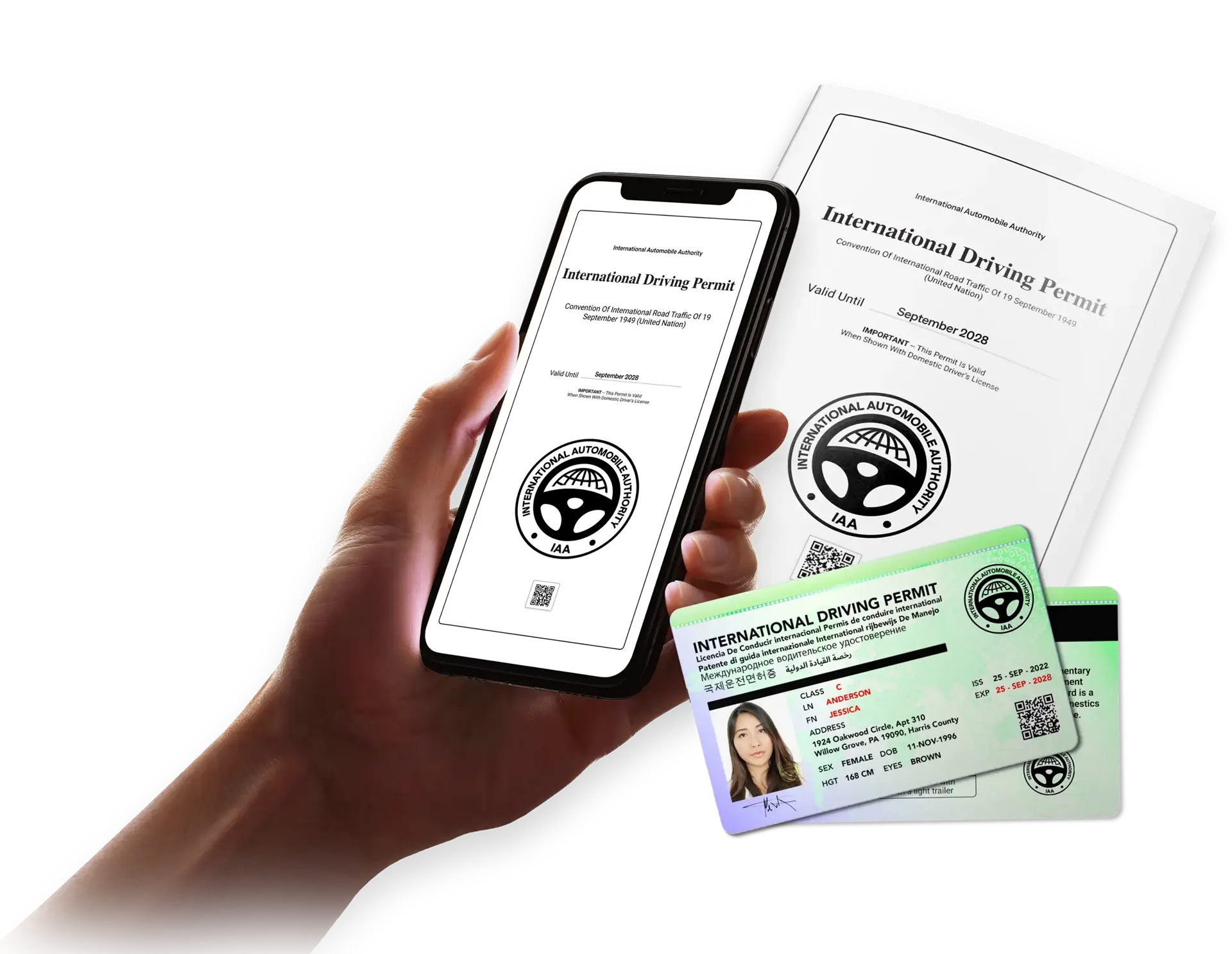


Planning to drive in Vietnam as a foreigner involves navigating a unique set of regulations that differ significantly from most other countries. Whether you're considering renting a motorbike in Ho Chi Minh City or driving a car through the scenic mountain roads of Ha Giang, understanding Vietnam's driving requirements is essential before you arrive.
This guide explains what documentation foreigners actually need to drive legally in Vietnam, the distinction between government-issued International Driving Permits and certified licence translations, and practical considerations for getting behind the wheel in this Southeast Asian nation.
Understanding Vietnam's Driving Requirements for Foreigners
Vietnam has specific regulations governing foreign drivers that differ from many other countries in the region. The country's traffic laws are administered by the Ministry of Transport, and requirements can change, so verifying current rules through official Vietnamese government channels before your trip is essential.

Vietnam is a signatory to the 1968 Vienna Convention on Road Traffic, which influences its recognition of international driving documents. However, the practical application of these international agreements varies, and Vietnam has historically maintained strict requirements for foreign drivers.
Key points that foreigners should understand:
- Licence conversion requirements: Vietnam has traditionally required foreigners residing in the country to convert their home licence to a Vietnamese licence for legal driving
- Tourist driving restrictions: Short-term tourists face significant limitations on driving, particularly for motorbikes and cars
- Document verification: Vietnamese authorities may require documentation to be translated or authenticated
- Vehicle-specific rules: Requirements may differ between motorbikes and cars, with separate licence categories
For detailed information about international driving documentation for Vietnam, understanding these foundational requirements helps you prepare appropriate paperwork.
International Driving Permit vs. Certified Licence Translation: A Critical Distinction
When researching driving abroad, you'll encounter two different types of documents: International Driving Permits (IDPs) and certified licence translations. Understanding the distinction is crucial for making informed decisions about your documentation needs.

What Is an International Driving Permit?
An International Driving Permit is a government-issued document regulated by international conventions (the 1949 Geneva Convention and 1968 Vienna Convention on Road Traffic). IDPs are issued only by authorised government agencies or organisations designated by governments, such as automobile associations in various countries.
An IDP translates your existing licence into multiple languages and serves as supplementary documentation. It does not replace your original licence—you must always carry both documents together.
What Is a Certified Licence Translation?
A certified licence translation is a professionally translated version of your driver's licence, often certified by a translation service. This document can help overcome language barriers when your licence is in a language not understood locally.
Important clarification: A certified translation is not a government-issued International Driving Permit. It does not replace any legally required IDP, your original licence, or rental company approval. The certified translation service we provide creates documentation that may assist with communication, but acceptance depends entirely on local laws and the specific requirements of rental companies or authorities you encounter.
Our certified driver's licence translations are marketed as accepted in 180+ countries, but this refers to their potential utility—not a guarantee of legal acceptance for driving purposes in any specific jurisdiction. Always verify requirements with official Vietnamese authorities and rental providers before relying on any documentation.
Practical Considerations for Driving in Vietnam
Beyond documentation requirements, several practical factors affect foreigners' ability to drive in Vietnam.

Motorbike Rentals and Requirements
Motorbikes are the primary mode of transportation in Vietnam, and many tourists are drawn to renting them. However, the legal requirements for foreigners to ride motorbikes are often misunderstood or overlooked.
Vietnamese law typically requires a valid Vietnamese motorbike licence or appropriate documentation that Vietnamese authorities recognise. Many tourists rent motorbikes without proper documentation, but this creates several risks:
- Insurance implications: Travel insurance policies frequently exclude coverage for accidents occurring while driving without valid local documentation
- Legal liability: In the event of an accident, lack of proper documentation can complicate legal proceedings
- Police interactions: Traffic stops may result in fines or vehicle confiscation if documentation is deemed insufficient
Car Rentals in Vietnam
Car rental for self-drive is less common in Vietnam compared to neighbouring countries. Many rental services, including international chains that operate in Vietnam, often provide cars with drivers rather than self-drive options for tourists.
Major international rental companies like Hertz, Avis, Europcar, and Sixt operate in various capacities across Southeast Asia, but their specific services, requirements, and policies in Vietnam should be verified directly with each company. Rental policies and documentation requirements change frequently, and what applies in one country may not apply in another.
If you're planning to drive in multiple Southeast Asian countries during your trip, understanding the different requirements in each location is valuable. For example, the international driving requirements in Thailand differ from Vietnam's regulations, as do those in Indonesia.
Rural vs. Urban Driving
Vietnam's driving environment varies dramatically between urban centres like Hanoi and Ho Chi Minh City and rural areas. City traffic is notoriously chaotic, with motorbikes weaving through cars and buses in patterns unfamiliar to most Western drivers. Rural roads present different challenges, including variable road conditions and limited signage.
Steps to Prepare Your Documentation
If you're planning to drive in Vietnam, taking a systematic approach to documentation helps ensure you're as prepared as possible.
Step 1: Check current Vietnamese requirements
Contact the Vietnamese embassy or consulate in your country, or check the official Vietnam Ministry of Transport website for current regulations regarding foreign drivers. Requirements can change, and online information may be outdated.
Step 2: Verify your home country's IDP options
If a government-issued IDP is required or beneficial, obtain one from the authorised issuing authority in your country before departure. These are typically automobile associations designated by your government.
Step 3: Consider supplementary documentation
A certified translation of your licence can serve as supplementary documentation for situations where language barriers exist. While not a replacement for legally required documents, translations can facilitate communication with local authorities or rental providers.
Step 4: Contact rental companies directly
If you plan to rent a vehicle, contact your chosen rental company before booking to confirm their specific documentation requirements. Ask explicitly about:
- What licence documentation they accept
- Whether they offer self-drive rentals for foreigners
- Their insurance requirements and coverage
- Any additional deposits or fees for foreign drivers
Step 5: Review your travel insurance
Examine your travel insurance policy's terms regarding driving abroad. Many policies have specific requirements about documentation, and driving without meeting these requirements may void coverage.
Frequently Asked Questions
Can I drive in Vietnam with my foreign licence alone?
Vietnam generally requires foreign drivers to have documentation that Vietnamese authorities recognise, which typically involves more than just your home country licence. The specific requirements depend on your nationality, the duration of your stay, and the type of vehicle. Contact the Vietnamese embassy in your country or the Ministry of Transport for current regulations.
Is a certified licence translation the same as an IDP?
No. A certified licence translation is a translated document prepared by a translation service. An International Driving Permit is a government-regulated document issued by authorised bodies under international conventions. A translation does not replace any legally required IDP, your original licence, or rental company approval.
Do I need different documentation for a motorbike versus a car in Vietnam?
Yes, Vietnam maintains separate licence categories for different vehicle types. Requirements for riding a motorbike may differ from those for driving a car. Additionally, your home country licence category matters—you generally cannot legally operate vehicles you're not licensed to drive in your home country.
Will rental companies in Vietnam accept international documentation?
Rental company policies vary significantly. Some companies may require a Vietnamese licence, while others may accept international documentation under certain conditions. Many provide cars with drivers rather than self-drive options. Always confirm requirements directly with your chosen rental provider before booking.
What happens if I drive without proper documentation in Vietnam?
Driving without documentation that Vietnamese authorities deem valid can result in fines, vehicle confiscation, or other legal consequences. Perhaps more significantly, travel insurance claims for accidents occurring while driving without valid documentation are frequently denied, leaving you personally liable for medical bills, vehicle damage, and third-party claims.
Prepare Your Documentation Before You Travel
Navigating Vietnam's driving requirements requires careful preparation and verification of current regulations. While the rules may seem complex, taking time to properly research and prepare your documentation can help avoid complications during your trip.
Get your certified driver's licence translation — accepted in 180+ countries, delivered digitally. Remember that acceptance depends on local law and rental terms, and a translation does not replace any legally required International Driving Permit or your original licence. Always verify current requirements with official Vietnamese authorities and your rental provider before travelling.