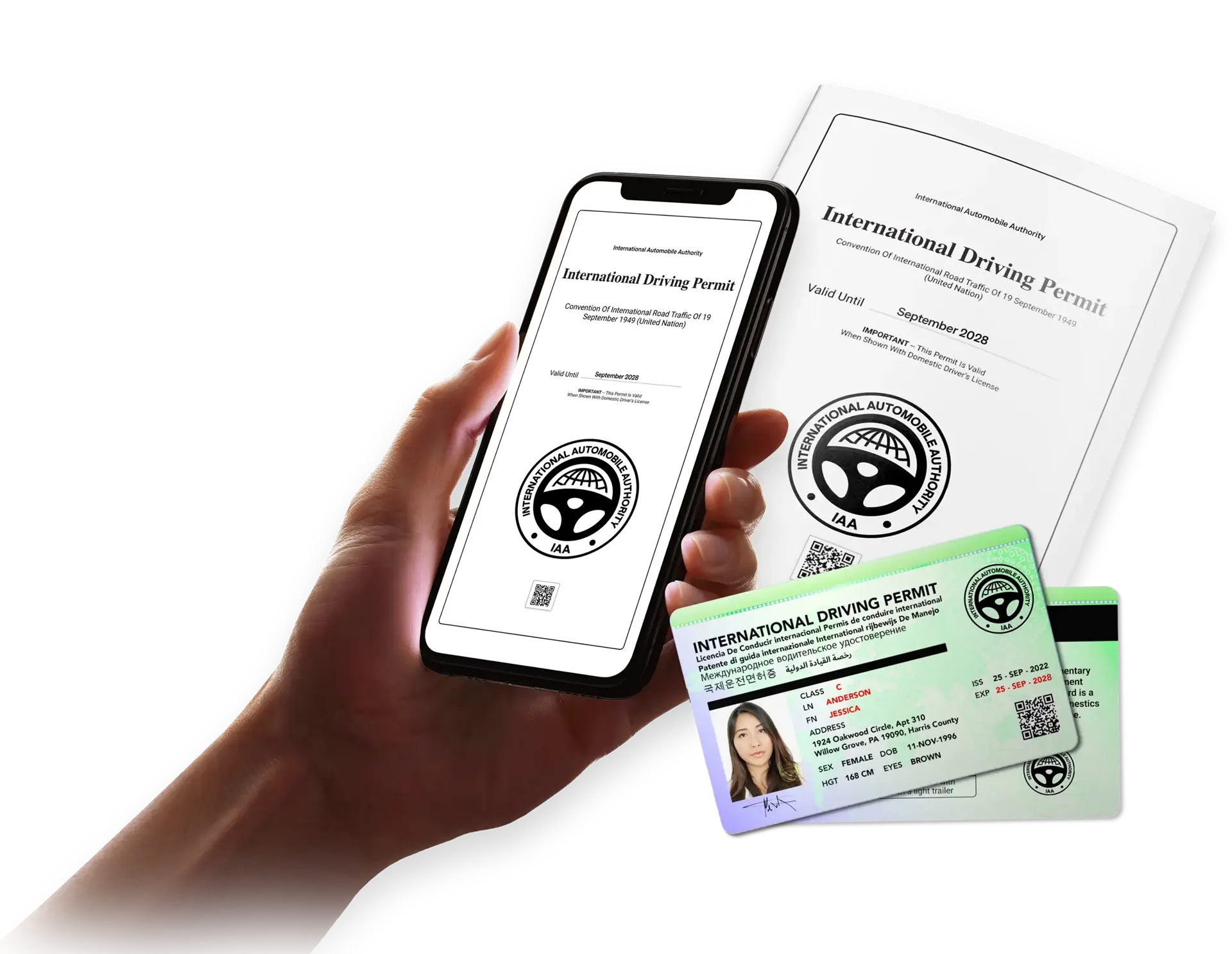


The Philippines offers travellers an extraordinary range of experiences — from the rice terraces of Baguio to the pristine beaches of Palawan and the bustling streets of Manila. While public transport and ride-hailing apps serve major cities well, renting a car provides the freedom to explore remote islands, scenic coastal routes, and provinces where transportation options become limited.
However, renting a car in the Philippines with a foreign licence involves understanding specific requirements, documentation needs, and practical considerations that many visitors overlook. This guide covers everything you need to know before picking up keys at a Philippine rental counter.
Understanding Philippine Driving Requirements for Foreign Visitors
The Philippines permits foreign nationals to drive using their home country licence under certain conditions. According to the Land Transportation Office (LTO), tourists may legally drive in the Philippines using a valid foreign licence for a period of up to 90 days from their date of entry. This applies specifically to tourists holding valid visitor visas.

Several important stipulations affect how this works in practice:
- Language requirement: Your licence must be in English or accompanied by an official translation. Licences issued in non-Roman scripts (Japanese, Korean, Chinese, Arabic, Thai, etc.) typically require translation documentation.
- Validity period: Your foreign licence must remain valid throughout your rental period. Expired licences are not accepted.
- Age restrictions: Most rental companies require drivers to be at least 21-25 years old, though this varies by company and vehicle category.
- International Driving Permit (IDP): While not always legally mandated for English-language licence holders, many rental companies request an IDP or equivalent translation as part of their internal policies.
For detailed information about driving documentation for the Philippines, see our Philippines driving permit guide, which outlines current requirements and practical considerations.
Rules change, and enforcement can vary between provinces. Always verify current requirements with the Land Transportation Office and your chosen rental company before travelling.
What Rental Companies Actually Require
Understanding official government policy is one thing — understanding what rental desks actually enforce is another. Major international rental brands operating in the Philippines, including Hertz, Avis, and Europcar at airport locations, often maintain stricter requirements than local law mandates.

Common rental company requirements include:
- Valid foreign driving licence: Original physical licence required; digital or photocopied versions are typically rejected.
- Passport: To verify identity and confirm tourist status.
- Credit card: Most major companies require a credit card in the renter's name for the security deposit. Debit cards are frequently declined.
- IDP or certified translation: Many companies request this documentation even when licences are in English, particularly for verification purposes.
- Minimum rental age: Typically 21-25 years, with young driver surcharges sometimes applying to those under 25.
Local Philippine rental companies may have different requirements than international chains. Some are more flexible; others are stricter. Contacting your specific rental location before arrival prevents surprises at the counter.
Important distinction: A certified translation of your licence is not a government-issued International Driving Permit. Services like our certified translation service provide official translations that help rental agents and authorities understand your licence details. However, a translation does not replace any legally required IDP, your original licence, or rental company approval. Acceptance depends on local regulations and individual company policies.
Practical Considerations for Driving in the Philippines
Beyond documentation, successfully renting and driving in the Philippines requires understanding local conditions that differ significantly from Western countries.

Road Conditions and Traffic Patterns
Metro Manila traffic ranks among the world's most congested. Journey times that appear short on maps can extend to hours during rush periods. Outside major cities, road conditions vary dramatically — from well-maintained national highways to unpaved provincial roads that become challenging during rainy season (June through November).
Vehicle Selection
Consider your itinerary when selecting a vehicle:
- City driving: Smaller vehicles are easier to manoeuvre through narrow streets and find parking.
- Provincial travel: SUVs or higher-clearance vehicles handle rough roads and flooding better.
- Island hopping: Some islands have limited fuel stations; plan accordingly.
Insurance Considerations
Rental insurance in the Philippines typically includes basic coverage, but excess amounts can be significant. Review what your personal travel insurance covers for rental vehicles, and consider whether additional coverage from the rental company makes sense for your situation.
Navigation and Connectivity
Download offline maps before your trip. Mobile data coverage is inconsistent in rural and mountainous areas. Waze is popular among local drivers and accounts for real-time traffic conditions better than some alternatives.
Documentation Tips for Smooth Rental Pickup
Preparing proper documentation before arrival significantly reduces the risk of rental refusal or delays. Here's how to approach this systematically:
Step 1: Check your licence validity. Ensure your licence won't expire during your trip. Some rental companies require licences valid for at least six months beyond the rental period.
Step 2: Assess translation needs. If your licence is not in English or uses non-Roman characters, obtain a certified translation. This applies to licences from Japan, Korea, China, Thailand, Middle Eastern countries, Russia, and others.
Step 3: Consider an IDP. If your home country issues IDPs through its automobile association, obtaining one provides additional documentation that some rental companies prefer. Note that IDPs must be used alongside your original licence, never as a replacement.
Step 4: Contact your rental company. Email or call your specific rental location to confirm their requirements. Policies can vary between locations, even within the same brand.
Step 5: Bring physical documents. Carry your original licence, any translations or IDP, your passport, and printed rental confirmation. Digital copies serve as backups but typically aren't accepted as primary documentation.
Travellers planning to explore multiple Southeast Asian countries should also review requirements for neighbouring destinations. Our guides on driving in Thailand and driving in Indonesia cover similar considerations for the region.
Frequently Asked Questions
Can I drive in the Philippines with just my foreign licence?
Tourists may legally drive using a valid foreign licence for up to 90 days. However, if your licence is not in English, you'll typically need a certified translation. Additionally, rental companies may impose their own requirements beyond legal minimums, including requesting an IDP or translation regardless of licence language.
Do I need an International Driving Permit for the Philippines?
Philippine law does not explicitly require an IDP for all foreign drivers, but practical considerations often make one advisable. Many rental companies request an IDP or certified translation as standard policy. For licences in non-English languages, translation documentation becomes particularly important for both rental approval and potential interactions with traffic authorities.
What happens if my licence is in a non-English language?
Rental agents and Philippine authorities may be unable to verify your licence details without English documentation. A certified translation helps by providing an official English version of your licence information. This facilitates smoother rental transactions and can assist during traffic stops, though it does not guarantee acceptance in all situations.
Which rental companies operate in the Philippines?
International brands including Hertz, Avis, and Europcar operate at major airports and urban centres. Numerous local companies also serve the market, sometimes at lower rates with different policies. For self-drive rentals, verify that companies offer this option — some primarily provide chauffeur-driven services.
Is it better to rent a car or hire a driver in the Philippines?
This depends on your comfort level and itinerary. Hiring a driver eliminates documentation concerns and navigation challenges while providing local knowledge. Self-driving offers more flexibility and can be cost-effective for longer trips. Metro Manila traffic and unfamiliar driving conditions lead many tourists to prefer drivers for city portions of their trips while self-driving in provinces.
Prepare Your Documentation Before You Travel
Renting a car in the Philippines with a foreign licence is entirely possible with proper preparation. Understanding both legal requirements and rental company policies helps you arrive with appropriate documentation and realistic expectations.
If your driving licence requires translation or you want additional documentation to present alongside your original licence, we can help. Get your certified driver's licence translation — accepted in 180+ countries, delivered digitally. Please note that acceptance ultimately depends on local laws and individual rental company terms, which we recommend verifying before your trip.